


One tool, the whole range
Fill it at a tap. Sixty days to decide.
Why water builds better control, motion, core, workouts, athletes.
A weight that moves has to be caught, corrected and stopped. That is the part of training a fixed weight cannot ask for.
How the water trains control.
A shifting water load trains the balance and control that transfers to your sport. Here's how it works.
It shifts as you move
Fill it, lift it — the water lags and slides on every rep.
You fight to stabilize it
Those corrections train the core and joint control a fixed weight skips.
It shows up in your sport
Balance and control that transfer to how you move, react and hold ground.
The load never arrives when you asked for it.
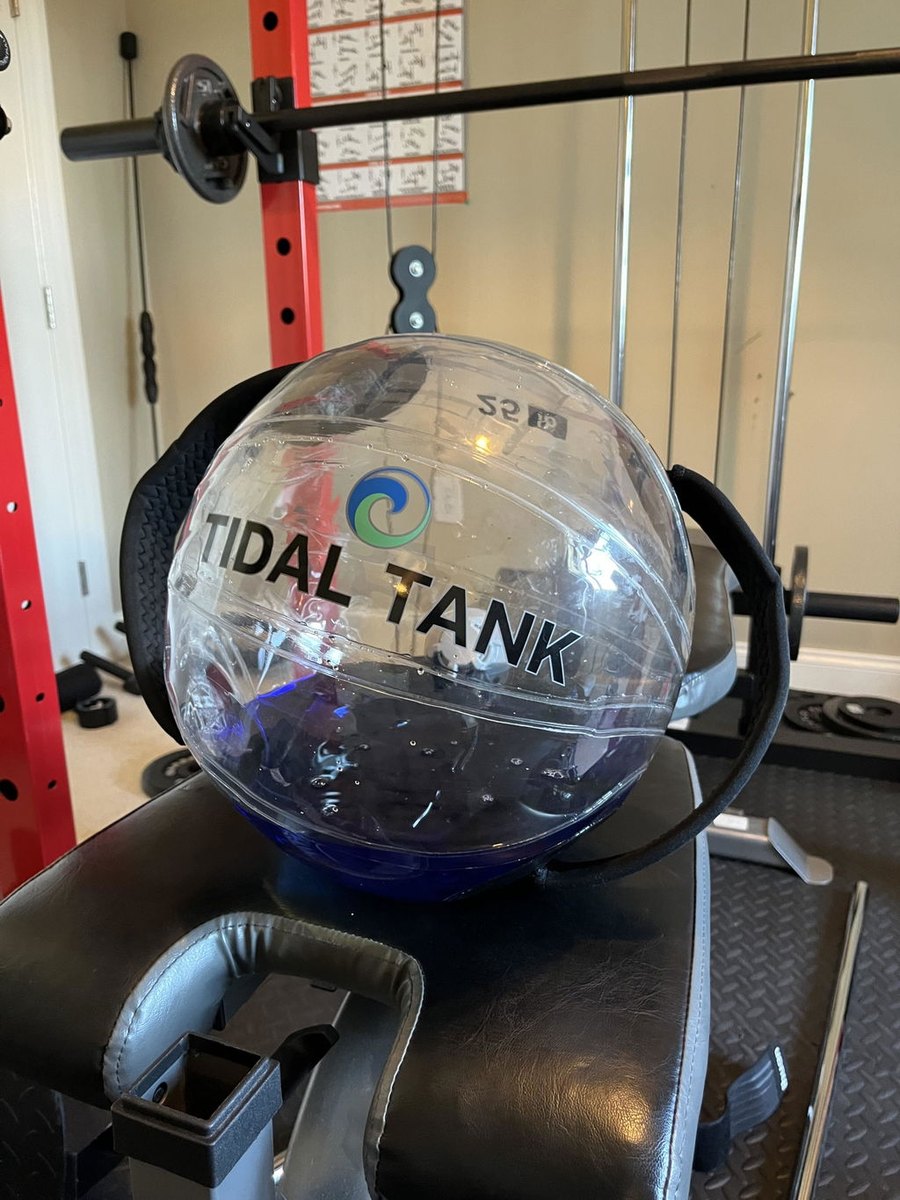
Fill it halfway and the weight lags off the floor, overruns at the top, and shifts inside the shell the whole way.
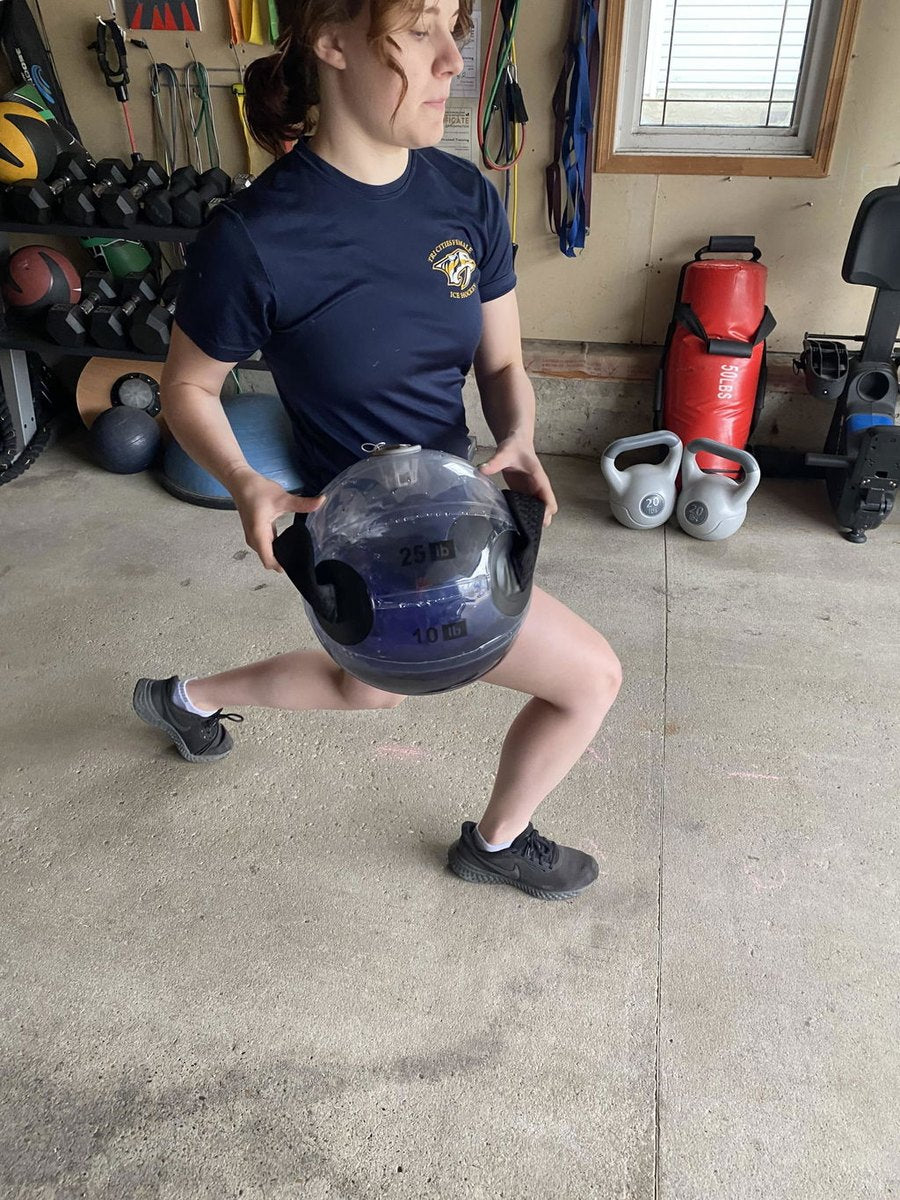
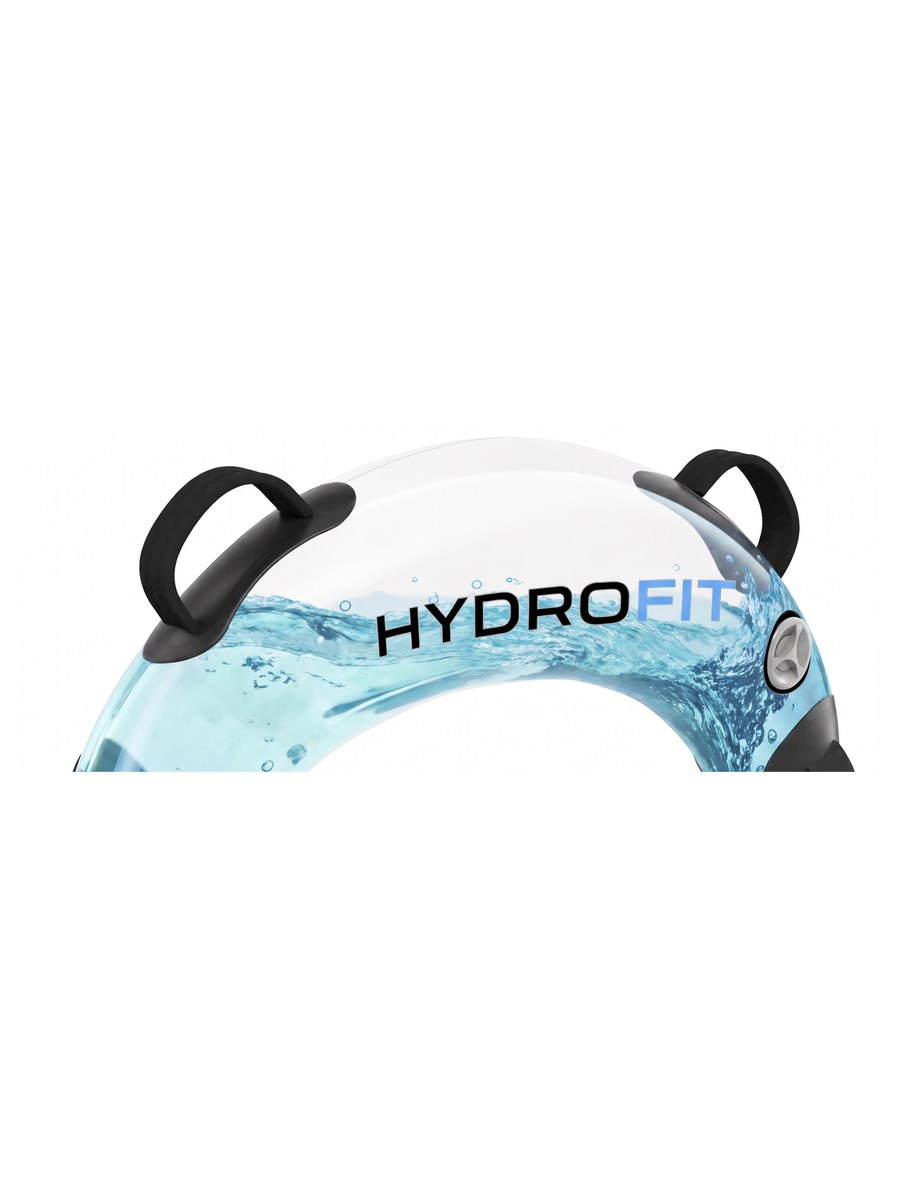
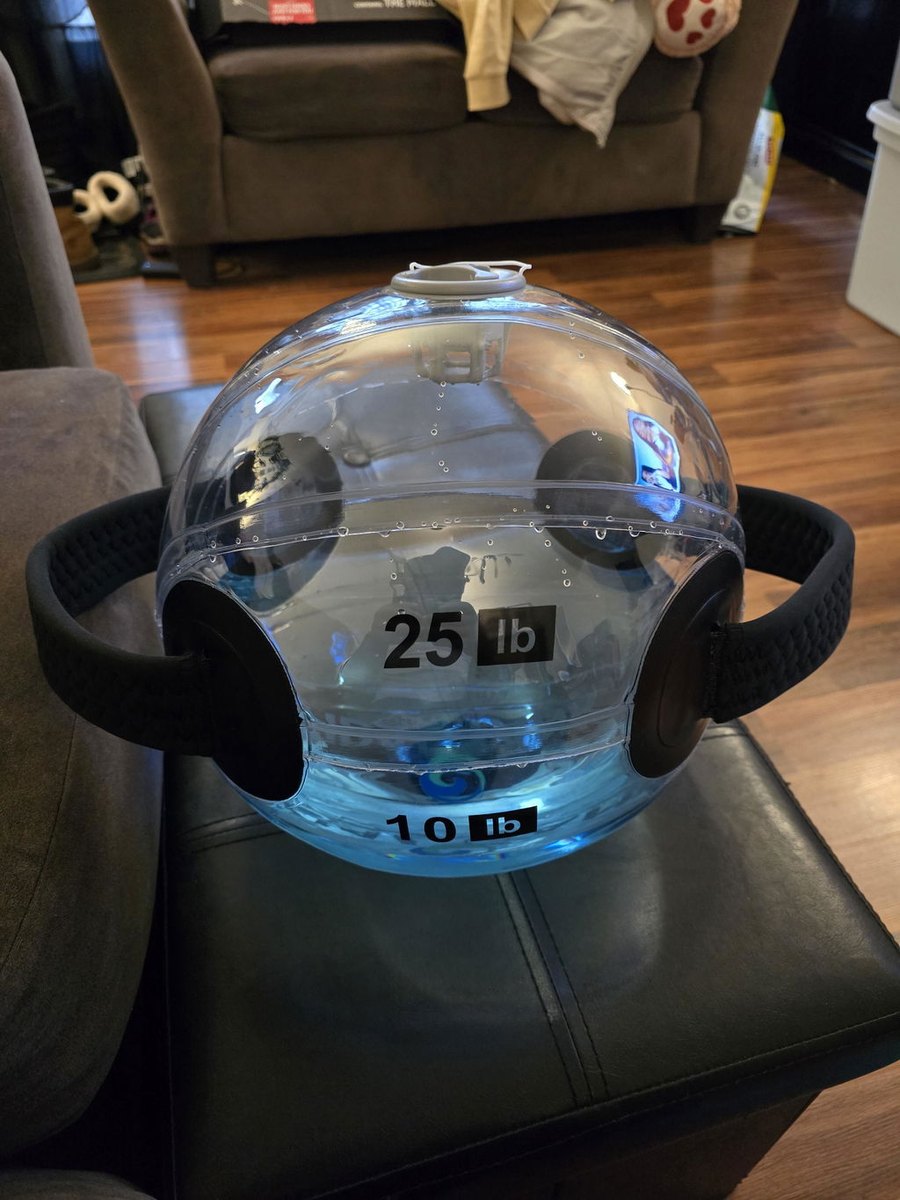
A fixed weight stops when you stop. Water doesn't, and the half-second where it keeps going is the part your sport actually asks for.
You make it harder by taking water out.
Difficulty peaks around half-full, so the dial runs the opposite way to every weight you have used before.
See the full rangeMove the slider. The curve is plotted live from the same free-surface model the product pages use — every point is computed, not drawn.
Train the turn your sport actually makes.
A dumbbell only pushes down, so the movement your sport is built on is the one you never load.
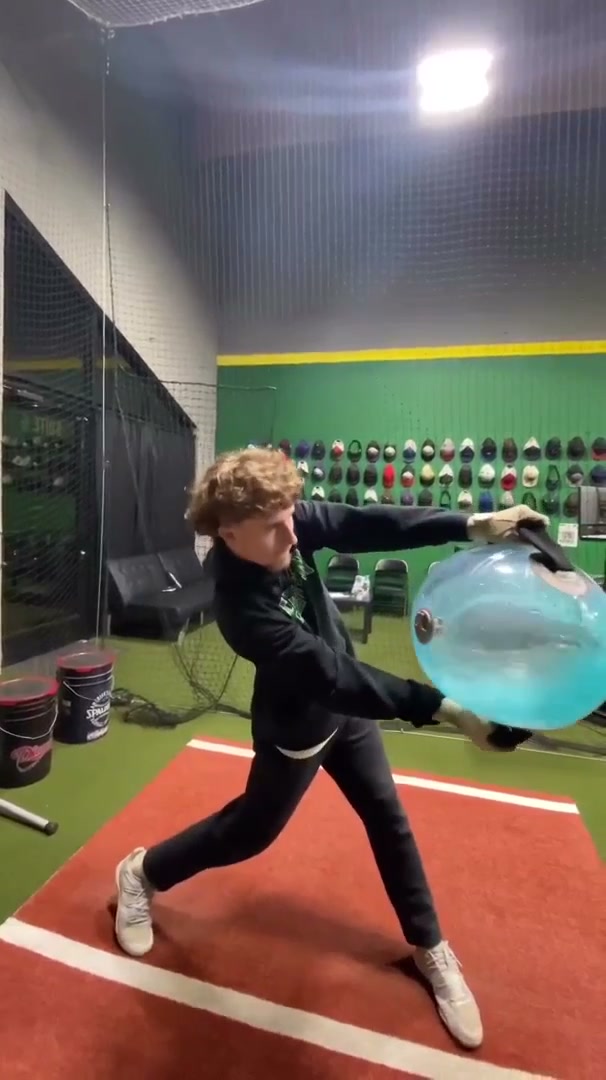

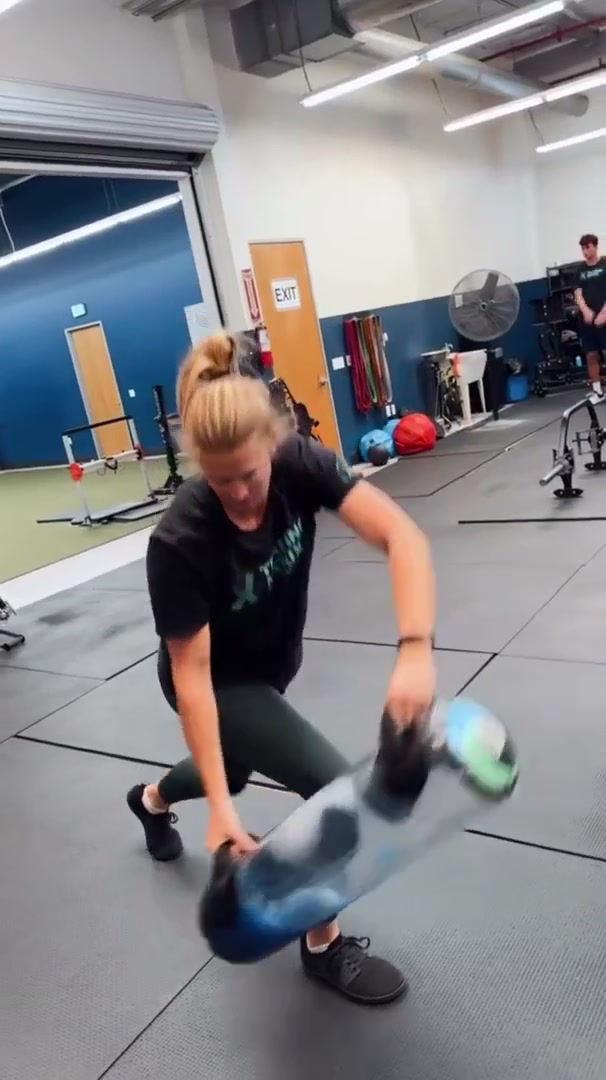
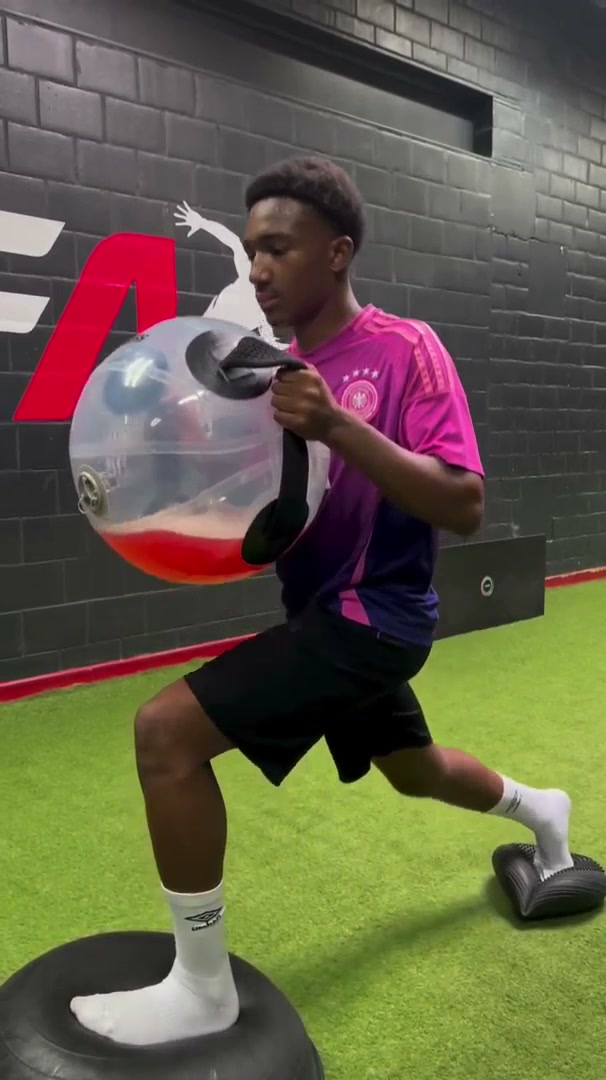
The bag first, then the bat. Same turn, same block, one of them fights back.
The same mechanism, in the movement you actually do.
Water lags when you start and overruns when you stop, and every one of these has a moment built out of exactly that.
Every rep is a new rep
Nothing about the load repeats, so a set stops being a count and starts being a series of corrections.
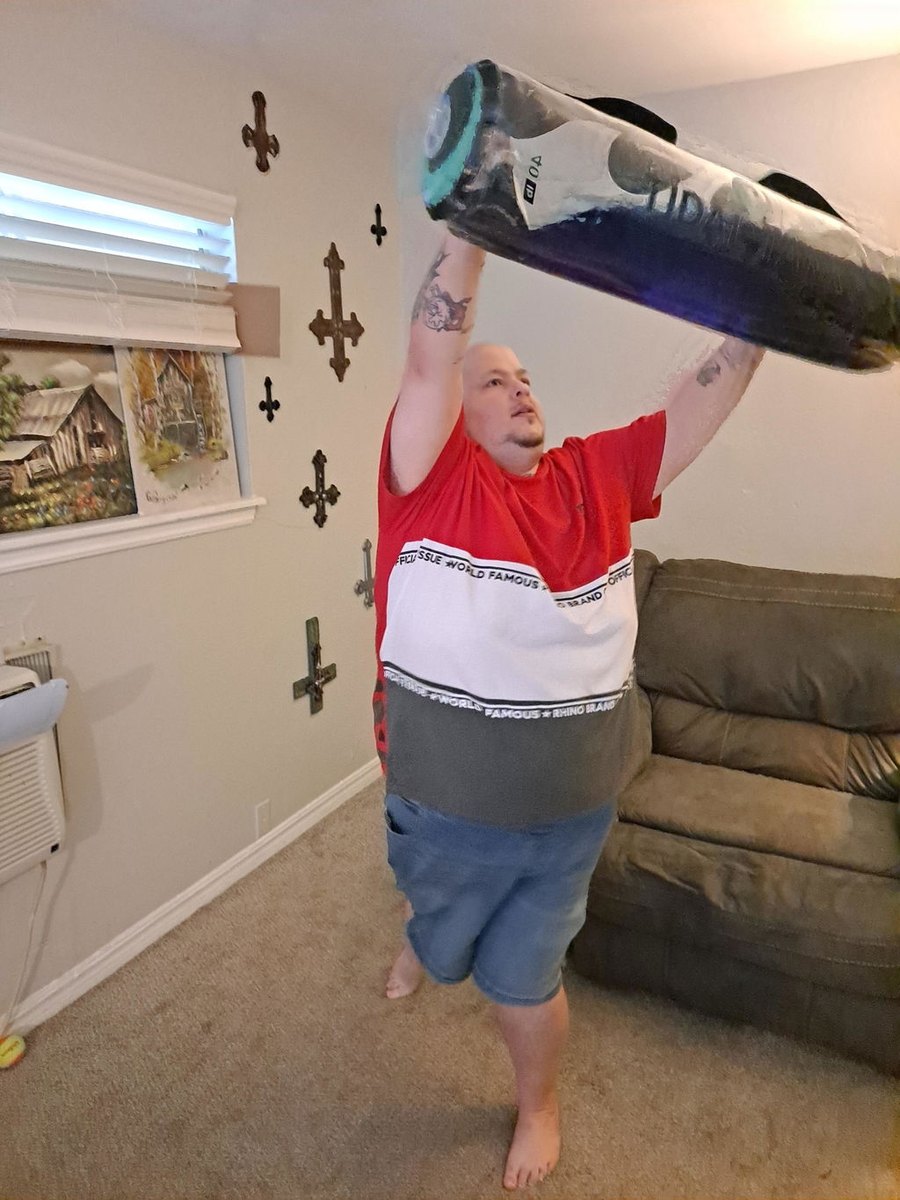
Balance, with something to hold
A part-filled tool is light enough to be about balance and nothing else, which is the point of it.
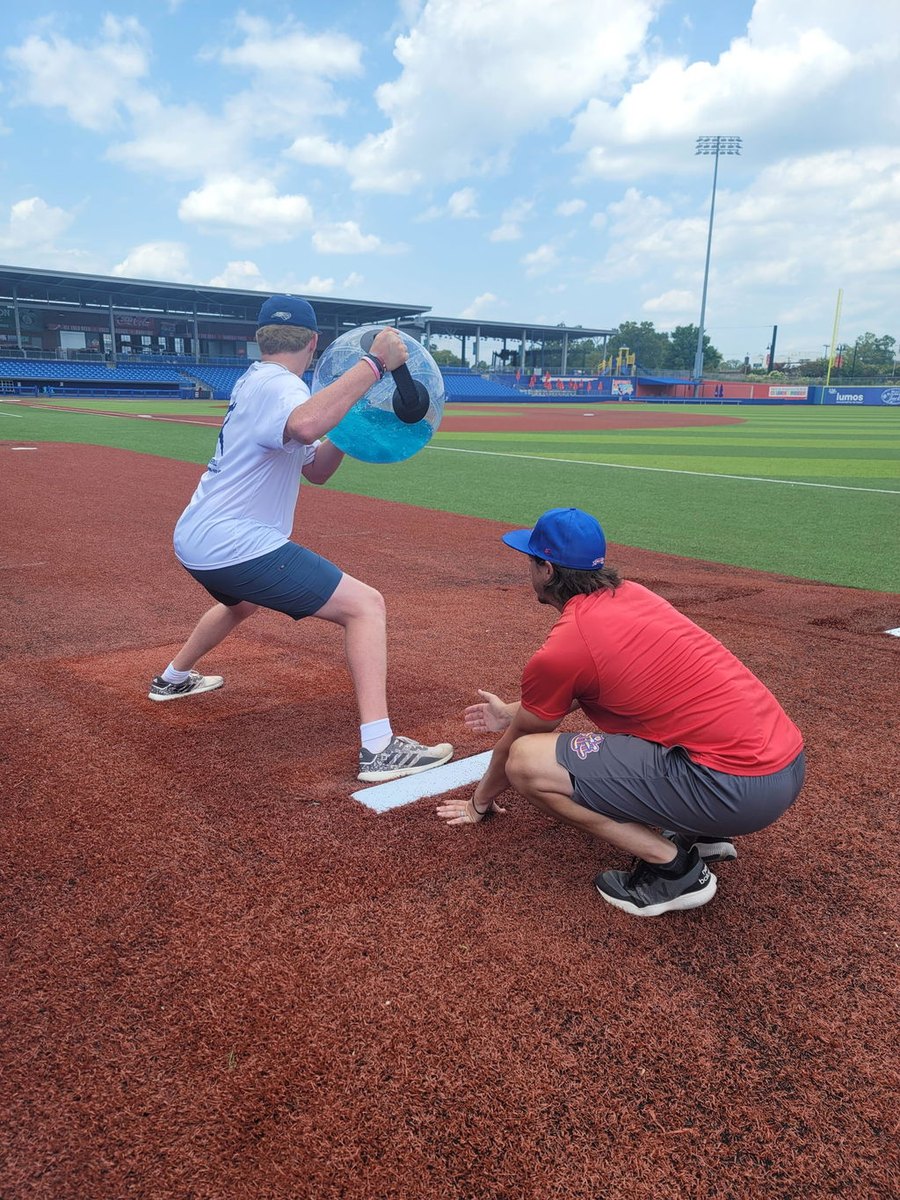
The front leg blocks
The barrel whips past a leg that has already stopped. Loading the stop is the part a fixed weight cannot give you.
Same turn, heavier ask
A flatter, faster swing off a shorter window, with the same block doing the work.
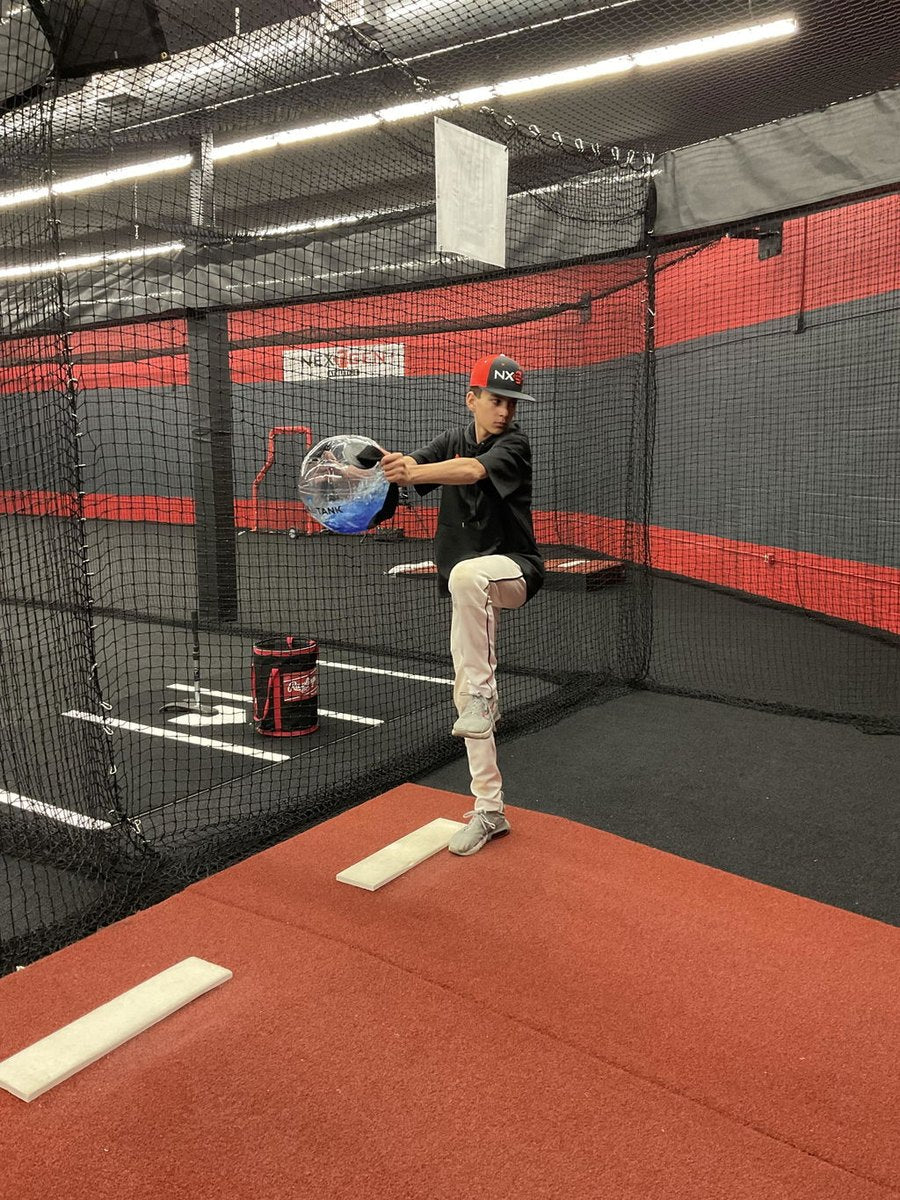
The last third slows down
A pitcher spends the end of the delivery braking the trunk, not driving it. That is the rep water gives you.
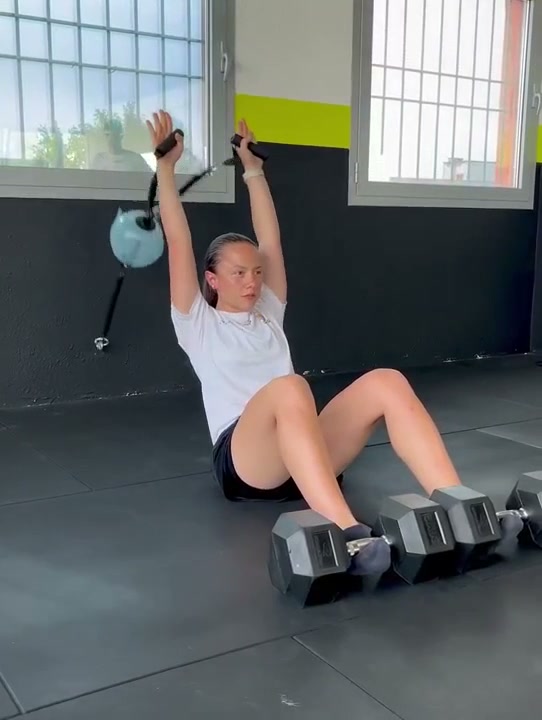
Press it, then catch it
The arm finishes by decelerating, and a load that overruns asks for that on every single repetition.
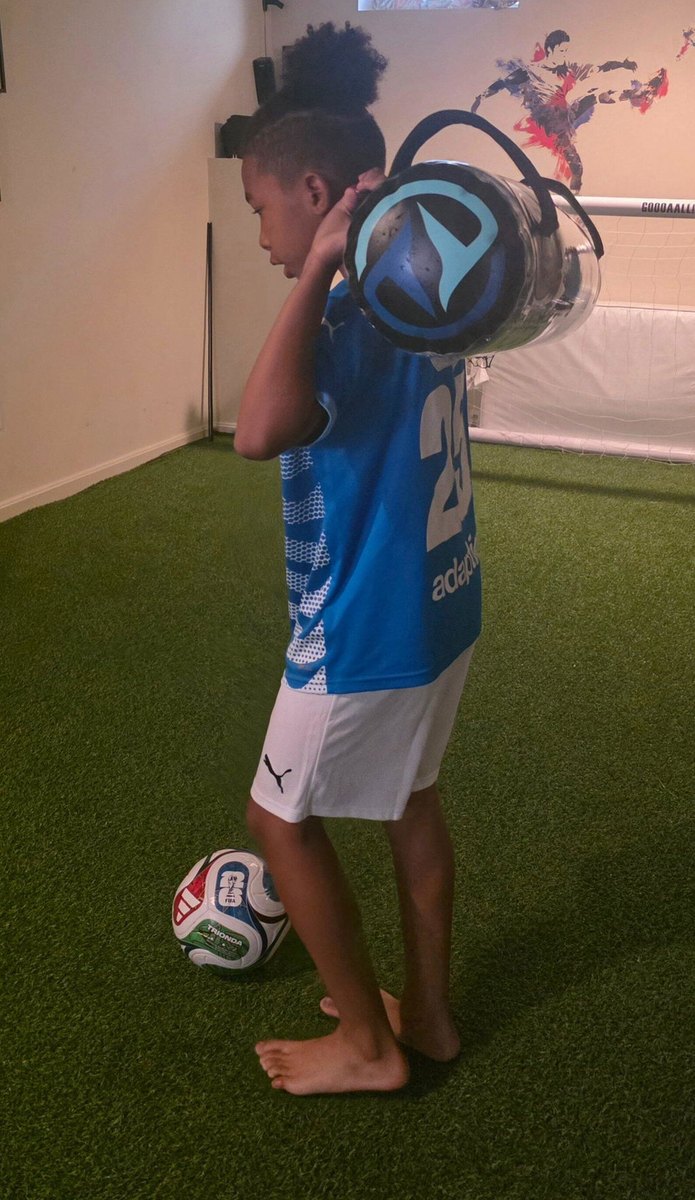
Plant, turn, hold the line
The standing leg takes a rotational load it did not choose. So does your hip, every time the water shifts.
Take the turn, refuse it
A fighter absorbs rotation and the job is to not turn with it. Almost nothing in a gym loads that.
Hold your position while something tries to move you out of it.
A dumbbell only ever pulls straight down, so holding it still asks nothing of the muscles that keep you square.
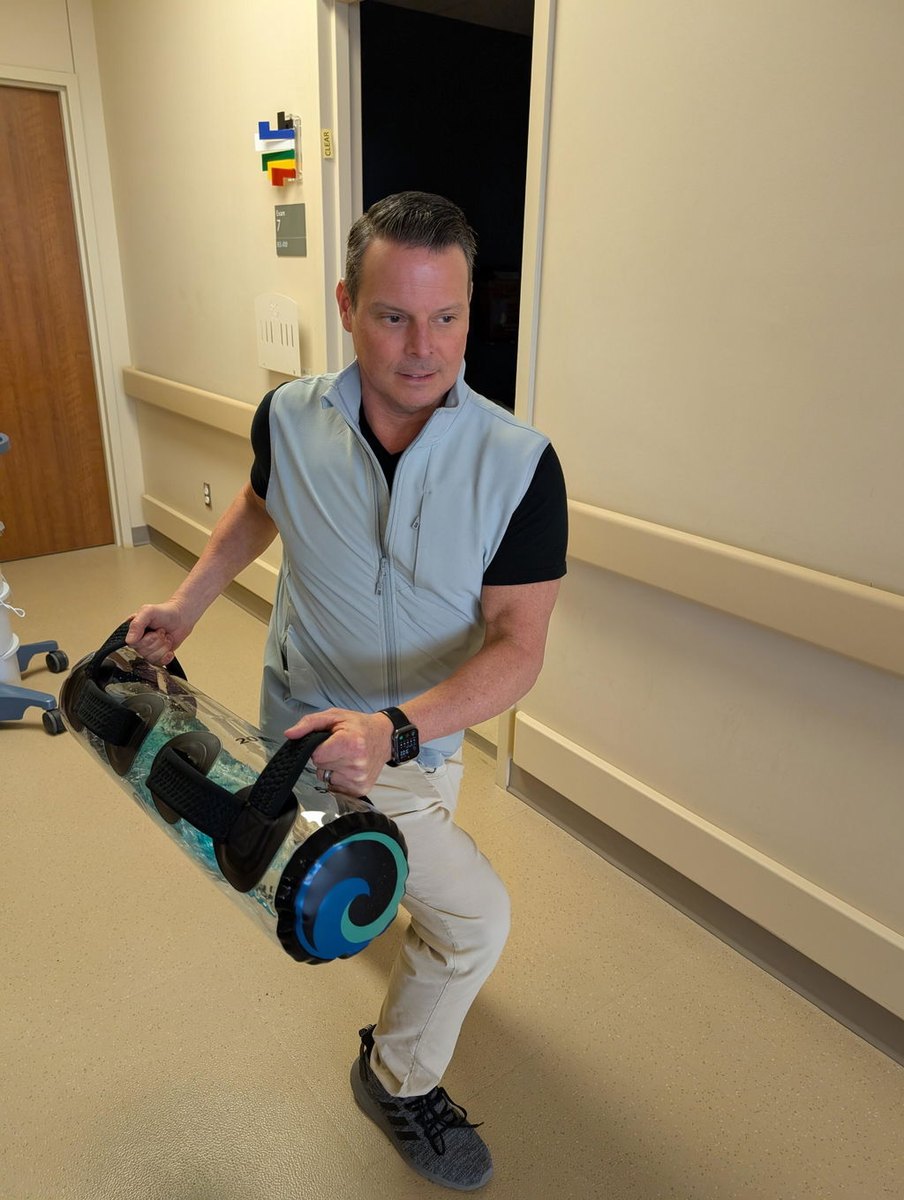
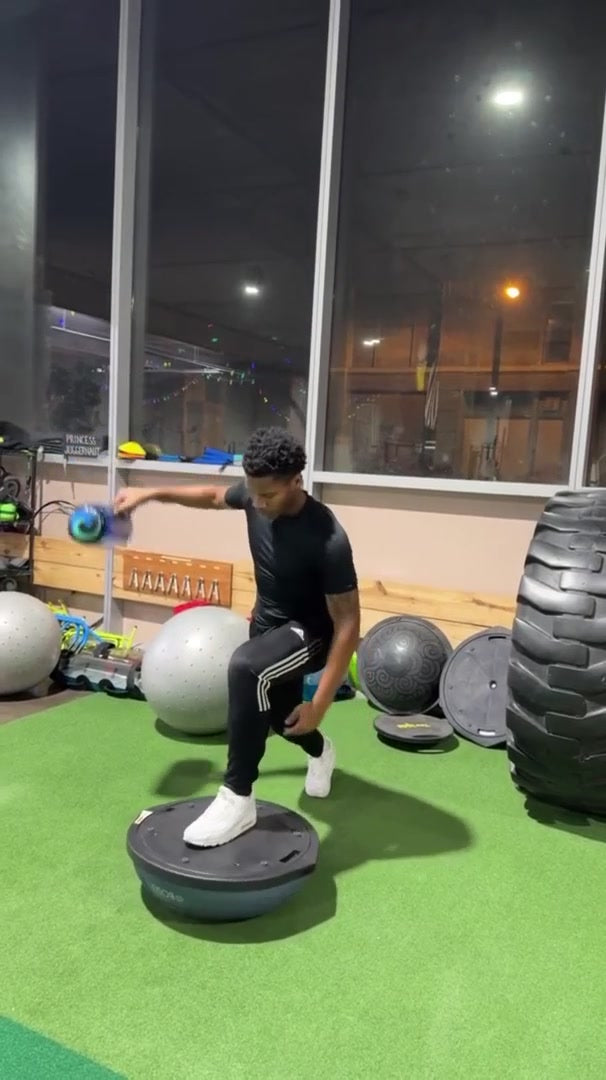
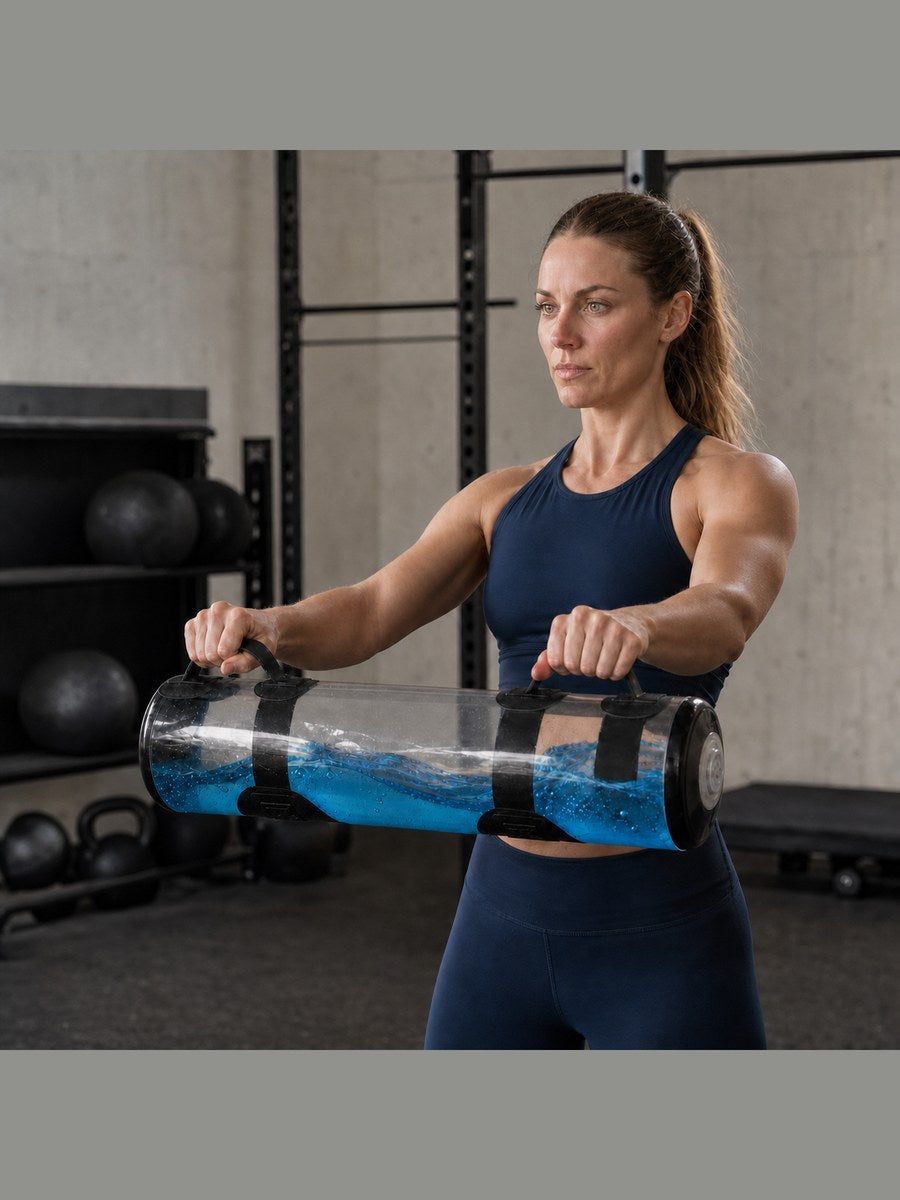
Press it overhead and the load spends the whole rep looking for somewhere else to be.
A force that arrives after you asked for it.
Iron answers the instant you pull; water answers late, so you have to time the catch as well as the lift.
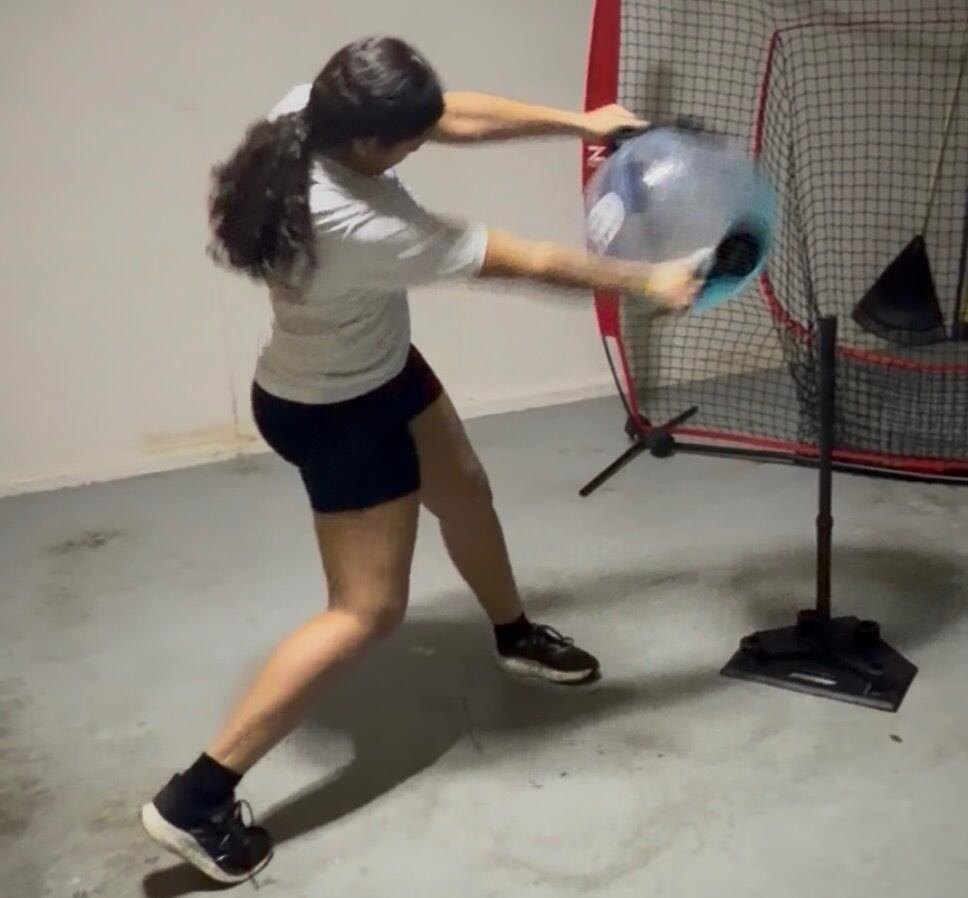
Strength training works by removing variables. Your sport puts every one of them back, usually at speed, usually while someone is in your way.
A joint has to be locked down before it can pass power on.
The muscles around a joint contract together to hold it still, and only then does force travel through it.
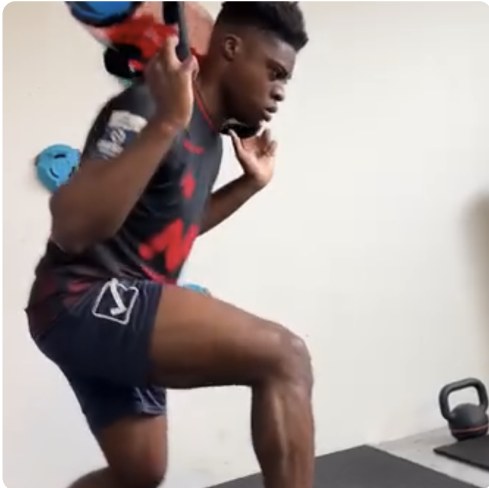
Sport never repeats itself, and neither does a water load.
Strength training works by removing variables; the water puts one of them back and refuses to hold still.
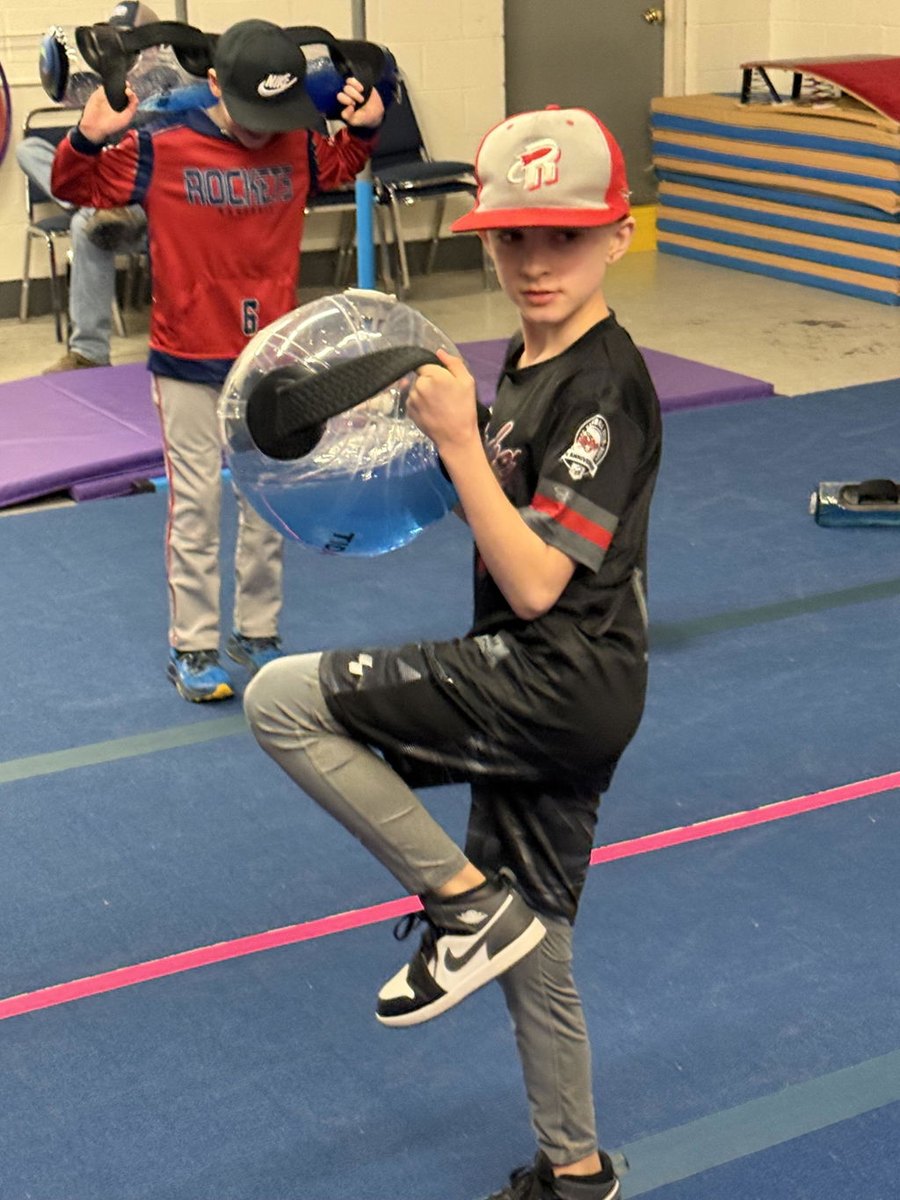
Four ways to train with it, and they train different things.
Same tool, four intents. Most people find one of these is the reason they keep using it.
Fight it the whole way
Drive against the water and it fights back everywhere at once, so output is limited by control rather than by strength.
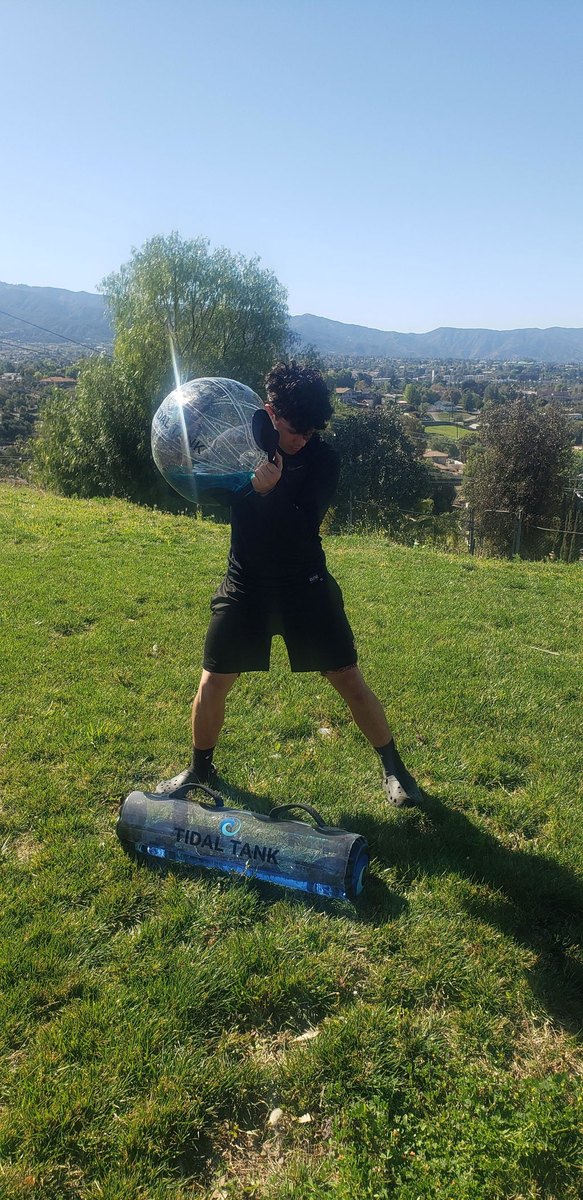
Hold it still, slowly
Keep it level and the work moves to the small stabilisers, and to your attention. It gets hard long before it gets heavy.
Use the momentum
Let it swing and go with it, and you are training timing instead of resisting force. Judo, not tug of war.
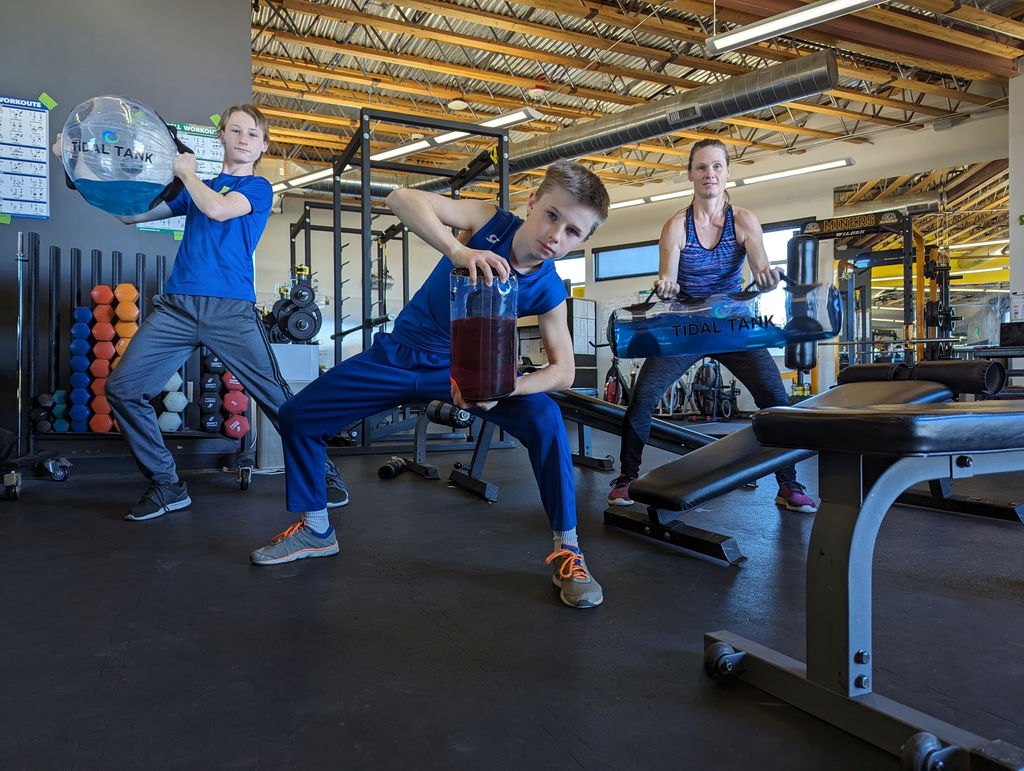
Stop thinking about it
Put a ball, a target or a sport in front of you and the load stops being the task. That is when it starts to transfer.
Keeping the ability to move is its own goal.
Balance and coordination stay trainable at any age, and a load that shifts is a direct way to train them.
STARTING OUT
A part-filled tool can be genuinely light. Two or three litres is enough to make balance the hard part, without asking for strength you have not built yet.
KIDS AND TEENS
Coordination is easiest to build young, and a light water load trains it as a game rather than as a lift.
LATER ON
Balance and reaction are the abilities worth keeping. Training them against something that moves is closer to real life than a machine that only goes one way.
General fitness and coordination training. Not a medical device and not a treatment for any condition.
What each of these is actually best at.
Water trains control. Most of what you already own does a different job better, and the honest answer is usually both.
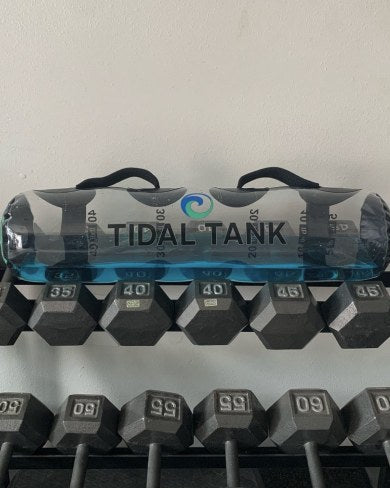
The best way to add weight
Fixed mass, fixed path, and nothing else it can vary. If the goal is a bigger number, this is the tool.
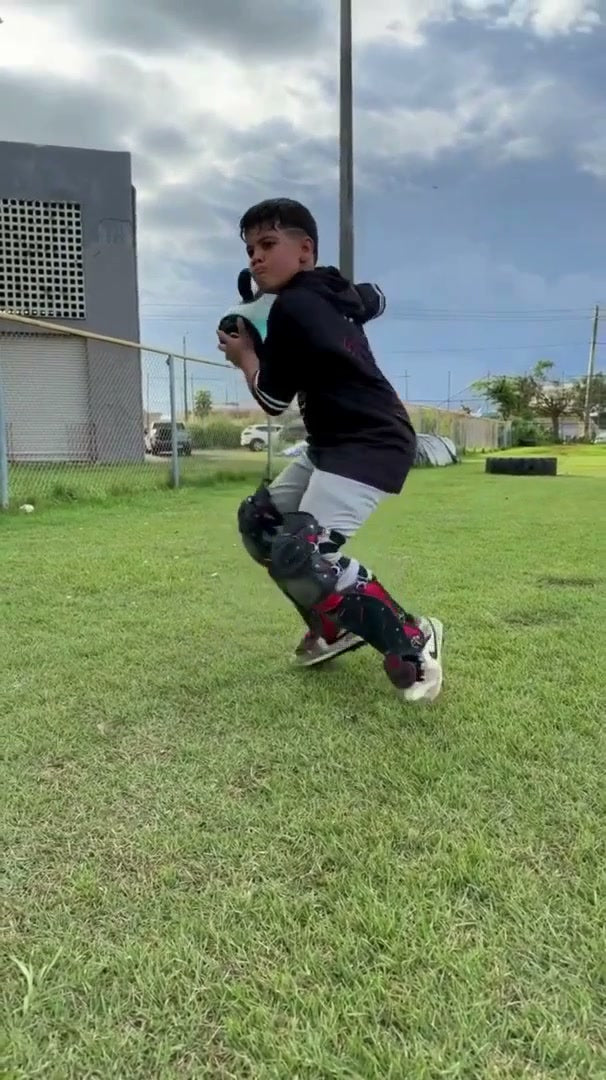
Shifts once, then settles
A sandbag builds force and water keeps asking for control. Most people should own both, and most articles end there for a reason.
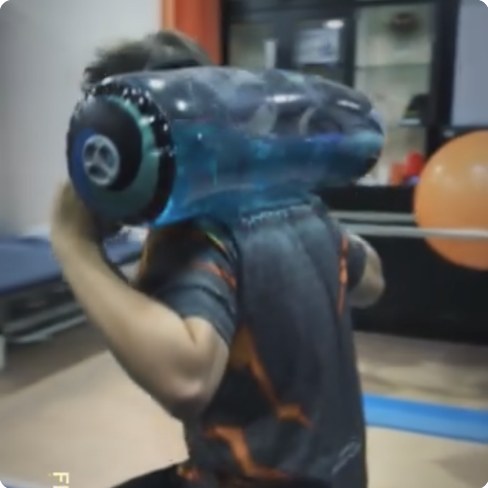
An offset that never changes
The offset centre of mass is real and useful. It is also identical on every single rep.
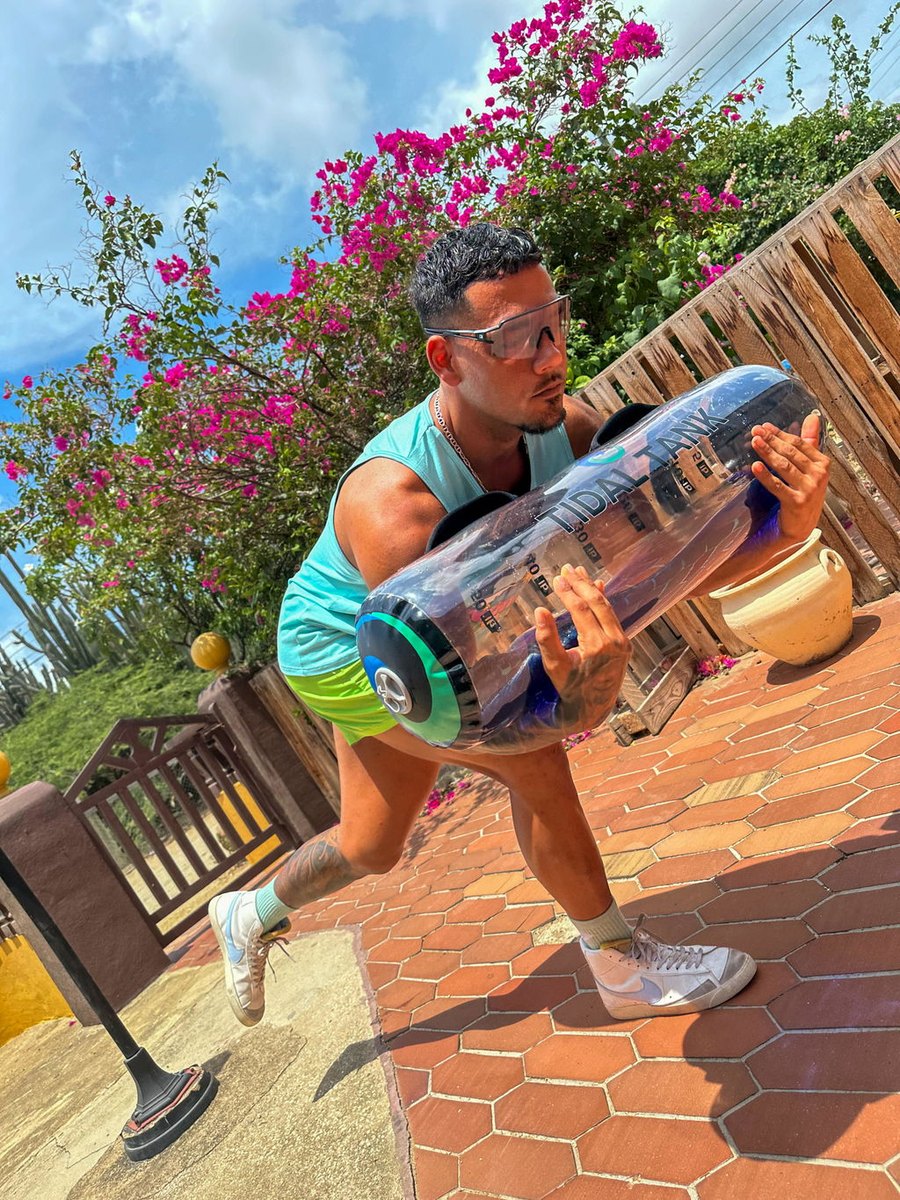
The shape helps, the mass doesn't
The shape genuinely helps rotation. What is inside it is still rigid, so the timing never changes.
Resists the whole range
It holds a turn from start to finish and deserves the credit. The line of pull just never changes its mind.
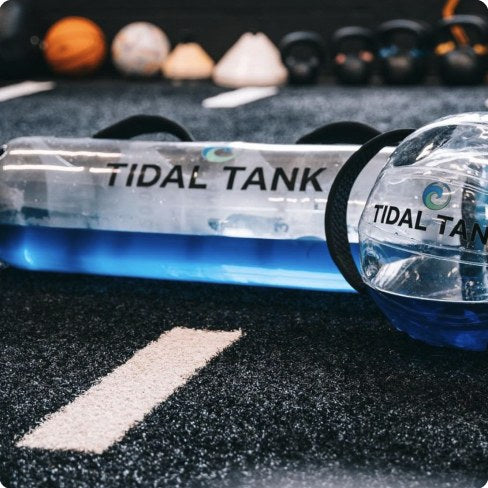
Nine feet, one weight
PVC at a fixed forty-odd pounds, no handles, nothing to adjust. It works, once.
The people calling this a gimmick are talking about something else.
The case against unstable training is a case against unstable floors, and on that they are right.
Stand on something wobbly and you get worse
You spend the set managing the floor, you cannot drive into it, you load lighter and you produce less force. Every part of that holds.
Theirs is under your feet
Ours is in your hands. Your feet stay on the floor and the floor stays exactly where you left it.
Ask them what's unstable
If the answer is the floor, they are right, and they are not describing this.
Your base is the thing that stays still.
The instability is in the implement, which is why none of the published criticism lands on it.
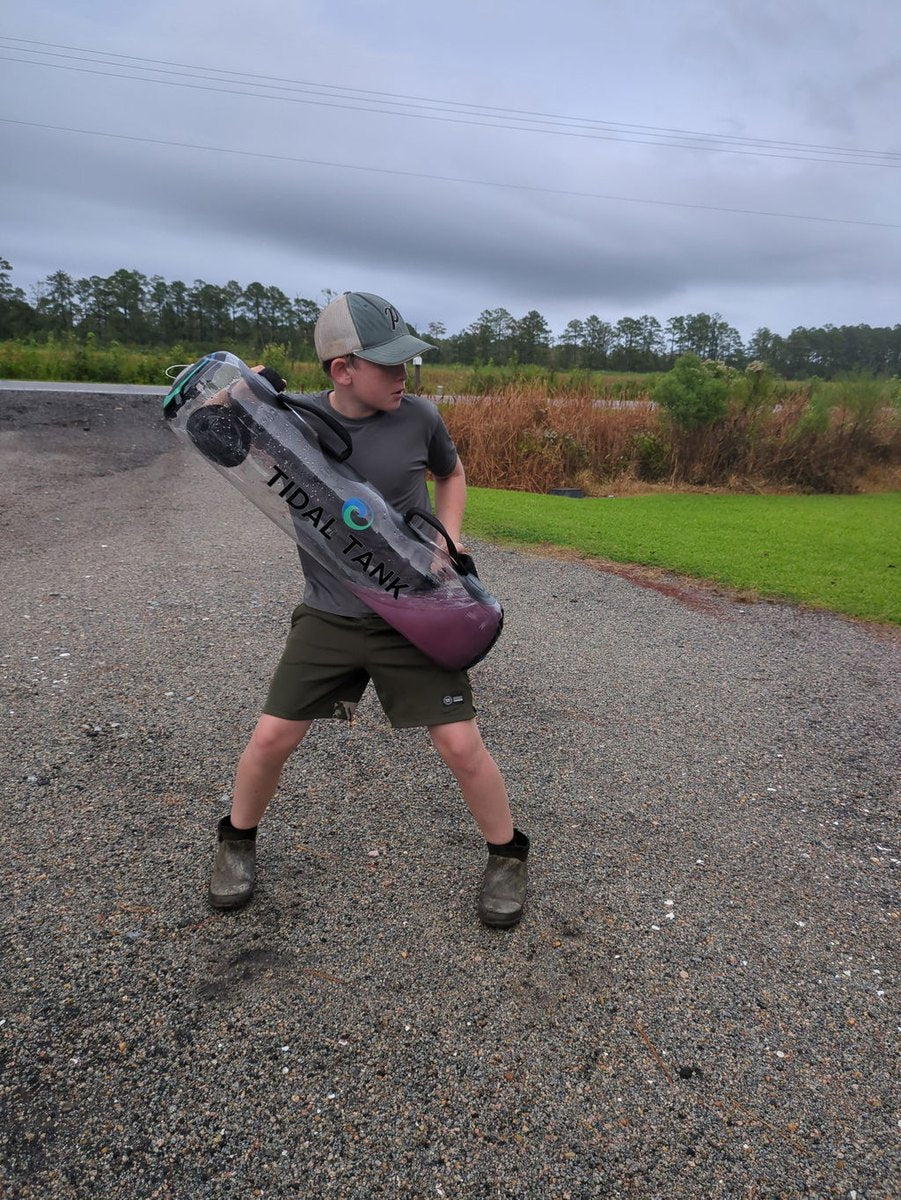

If the goal is a bigger squat number, load the bar. Instability costs force output, and that cost is the whole reason this trains something else.
Five studies, and what none of them settle.
None tested a HydroFit product, so read them as evidence about water loads, not about ours.
MATCHED AGAINST A SANDBAG
28 athletes, a water tank against an equal sandbag. Higher glute and quad activation on the one-leg deadlift, and none at all on the front-rack lunge.
ROTATION IS WHERE IT SHOWED
16 trained lifters, a water-filled pipe against rigid ones. The clearest differences were internal and external rotation. The diagonal patterns did not change.
THE ONE WE CANNOT USE
Higher trunk activation, but 4–8 kg against a 0.25 kg stick. Its own authors say the load gap may explain the whole result.
Two further studies point the same way, one of them not using water at all. All are acute activation measurements, not outcome trials, and interpretation is pending review sign-off.
Week one, and which one to buy.
Pick the tool by what you train, fill it halfway, and give it two sessions before you judge it.
See the full range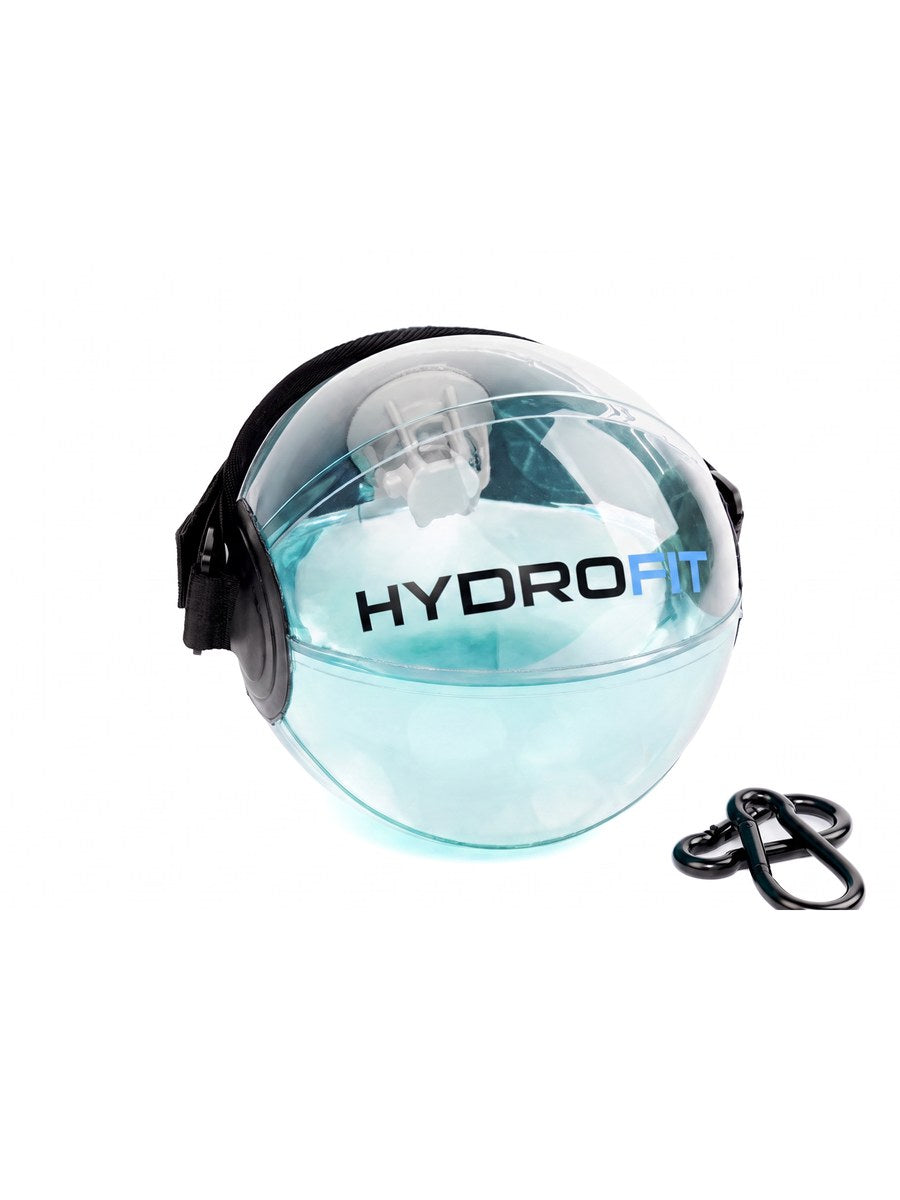
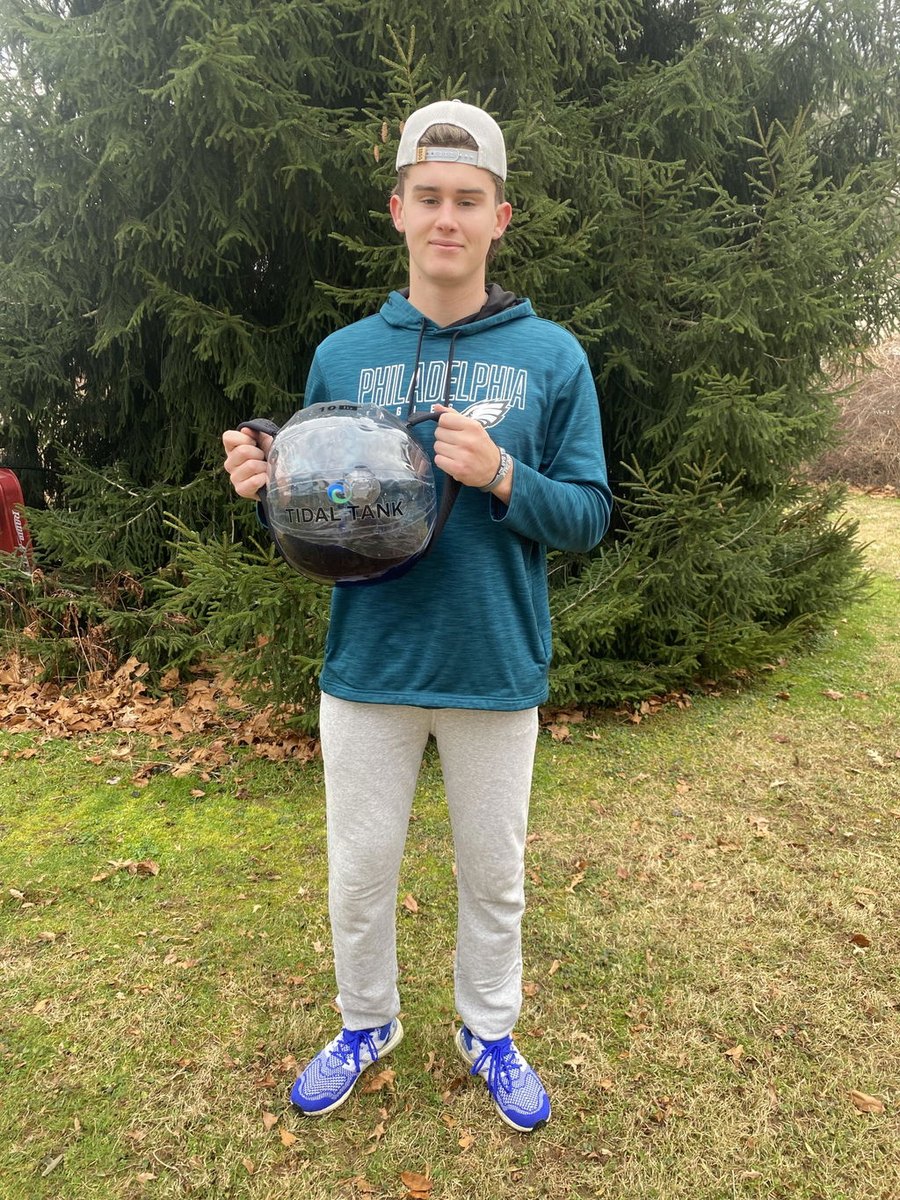
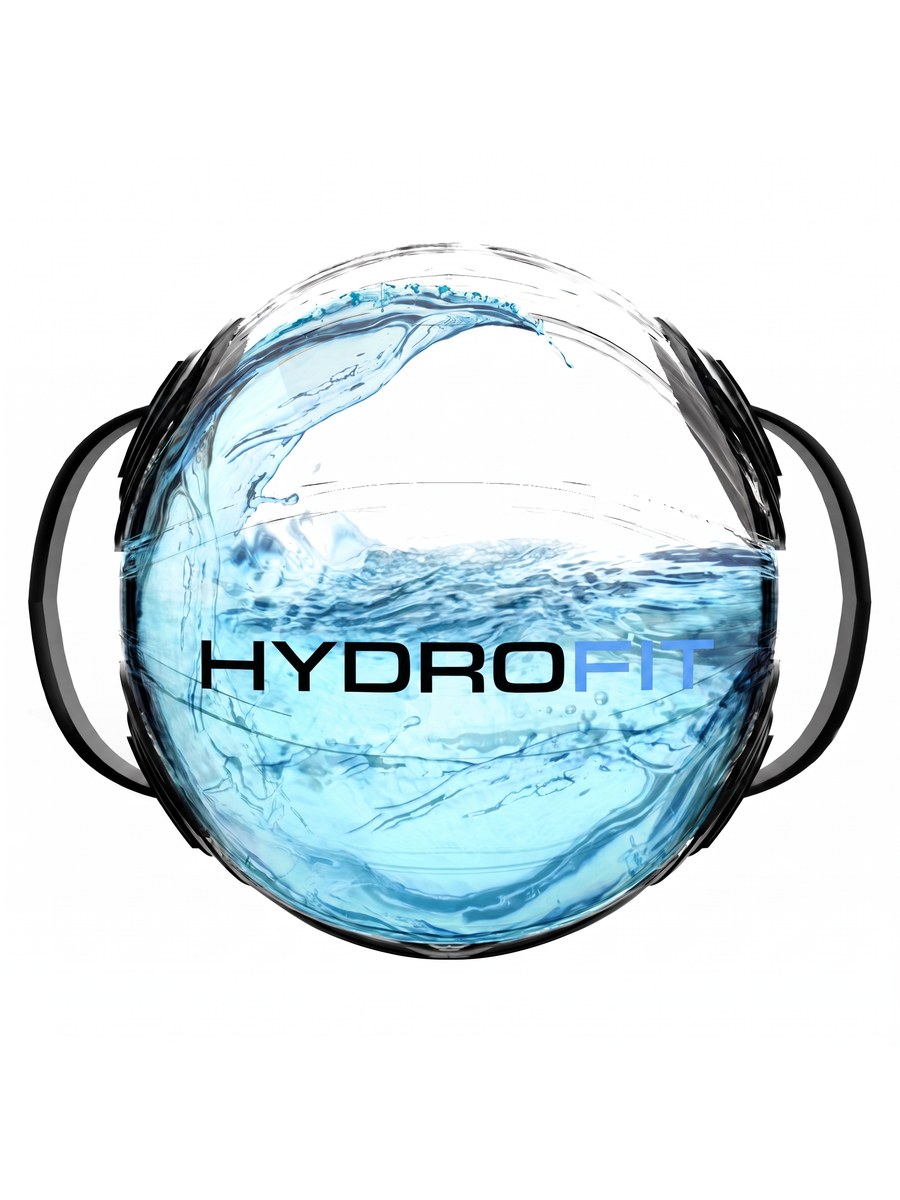
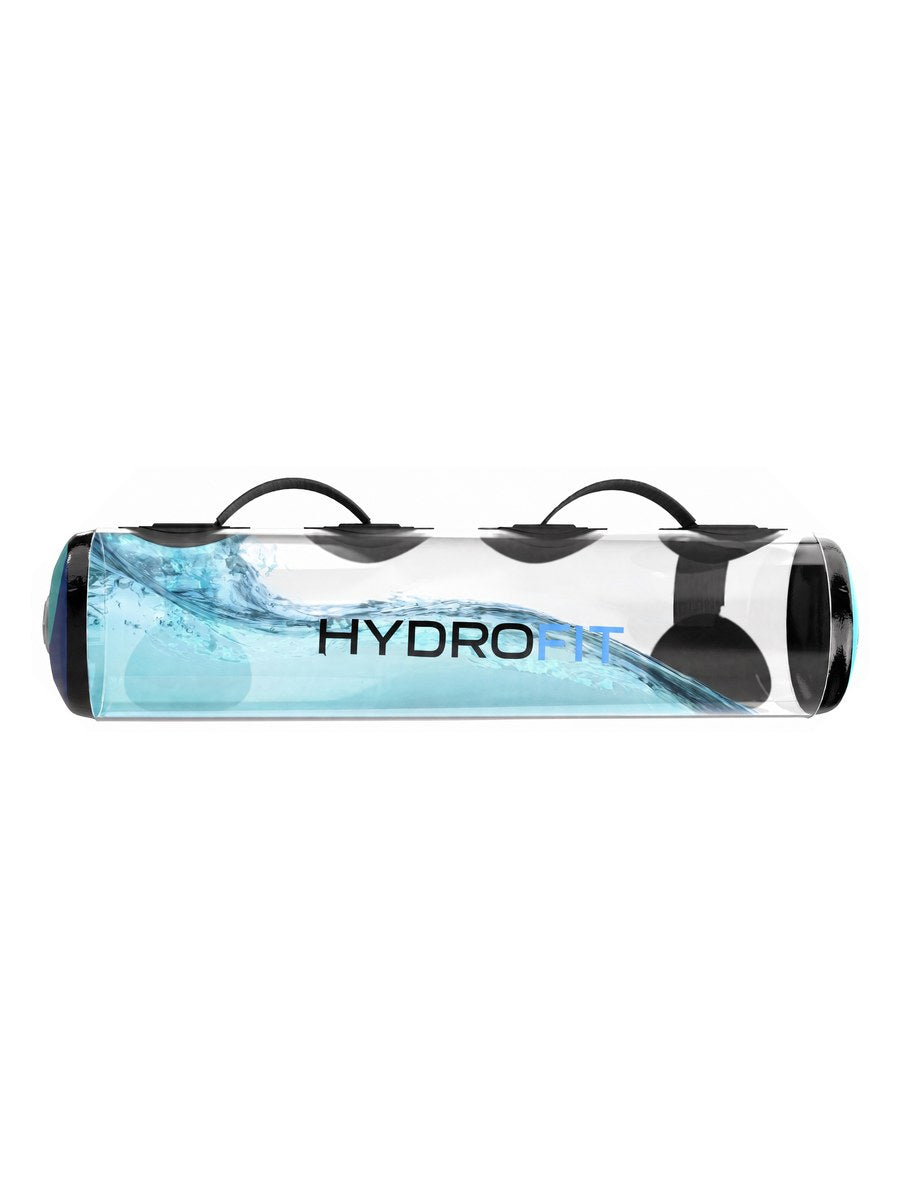
The things people ask before they buy one.
Does it build muscle or only balance?
Both, though it is better at one than the other. The water is a real load, so it builds strength. What it adds on top is the control work a fixed weight cannot ask for. If a bigger max is the only goal, load a bar as well.
How is this different from a sandbag?
A sandbag shifts once when you pick it up, then settles and behaves like a solid. Water keeps moving for as long as you do, so the load arrives late and overruns when you stop. Most people should own both.
How much water should I use?
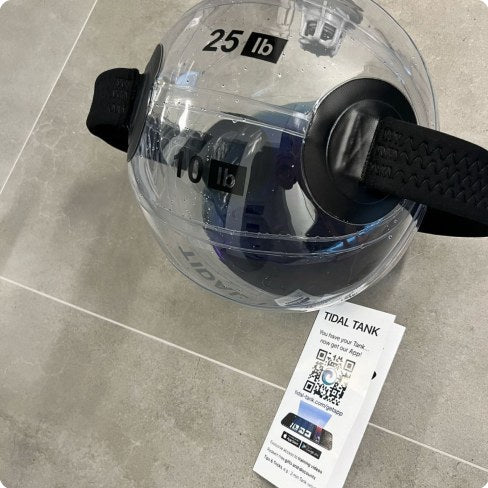
Start at half full. That is where the water has the most room to move, so it is the hardest setting. Add water to make a session easier, pour some out to make it harder.
Will it leak?
Each tool closes with a sealed screw valve and reinforced, welded seams built to hold water through repeated dynamic reps. Close the valve and it stays put. If anything leaks in your first 60 days, we replace it.
Can I use a tap, or do I need the pump?
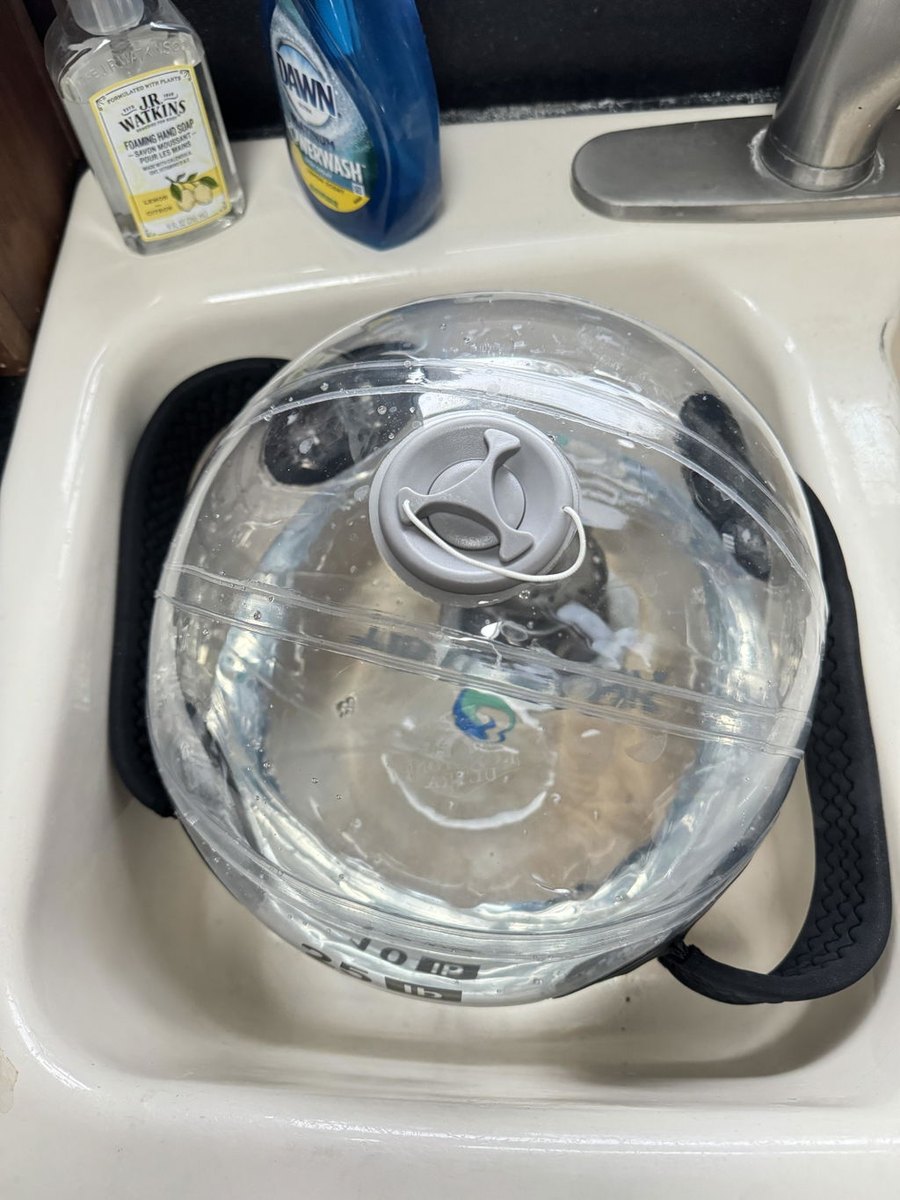
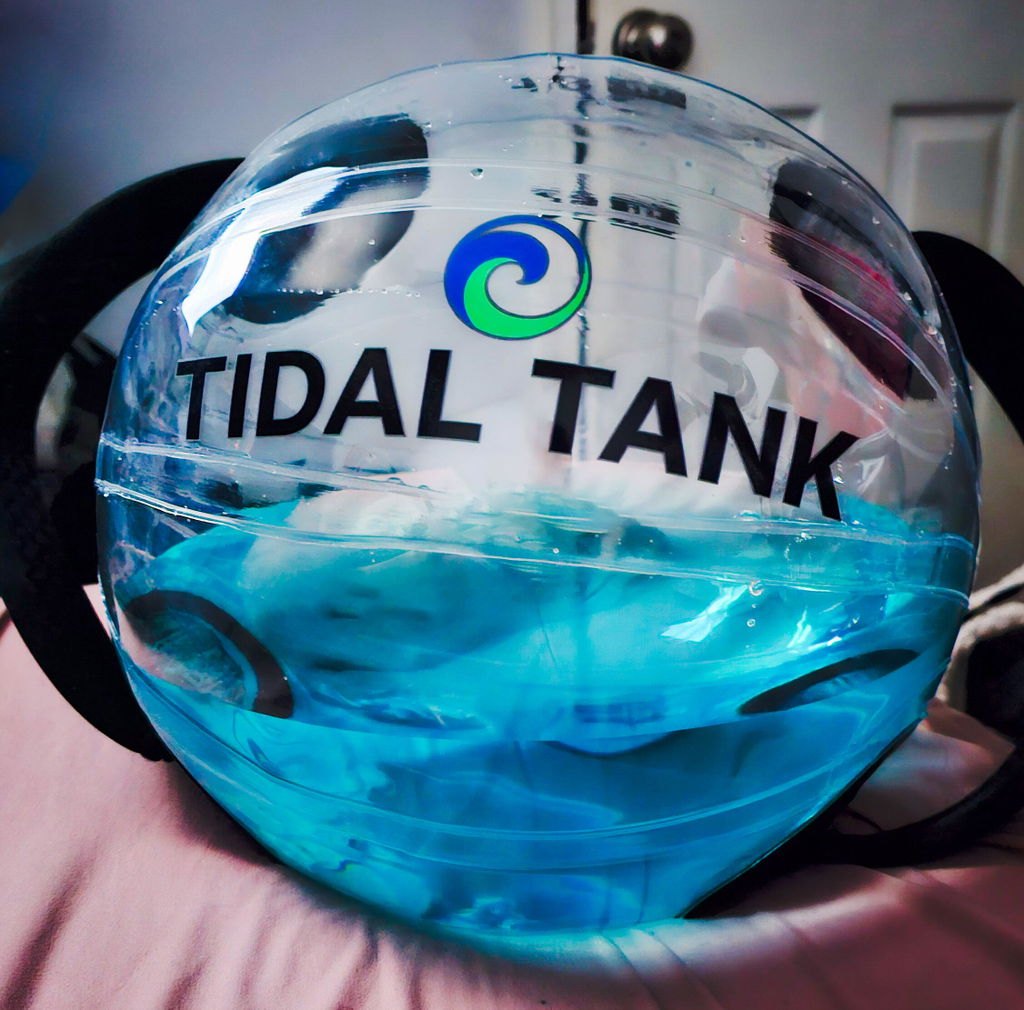
A garden tap or a bathroom sink is enough. The pump is in the box and makes filling faster and less messy, and the dye is there so you can see the water move.
How do I store it?
Empty it, leave the valve open until it dries, then roll or fold it flat. That is most of the point — one tool covering a wide range takes the space of a jacket, not a rack.
Which one should I start with?
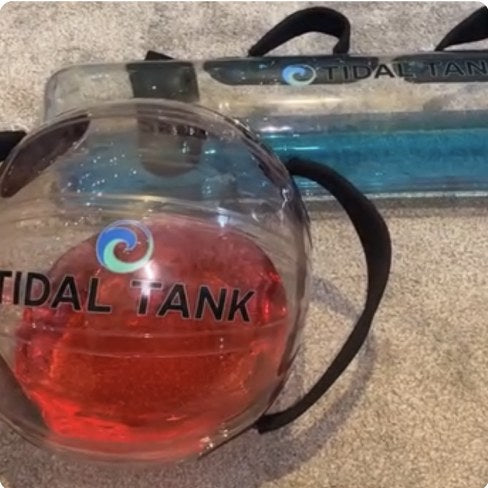
Pick by how you move. Turning sports want the tube or the sphere. Carrying and pressing want the kettle or the vest. Training at home with no particular sport in mind, the Classic tube covers the most ground.
Do I need the app?
No. The hardware works on its own. The app is free with every tool and sets your fill level, walks the session and keeps the count, so you are not doing maths mid-set.
What is the guarantee?
Sixty days to decide, with free shipping both ways. The app and the course are included and stay included.
Is it safe for children?
Yes, with a light fill and the same supervision any training tool needs. Two or three litres is enough to make balance the hard part, so a child trains coordination without being asked for strength they have not built yet.
I have never trained with weights — is this for me?
Yes. Fill it light and the tool is genuinely light. Because the difficulty comes from the water moving rather than from the number on the box, you can start well below the point where a dumbbell would be useful.
How is it different from a slosh pipe?
A slosh pipe is a nine-foot length of PVC at one fixed weight, with no handles and nothing to adjust. Same physics, no range, and nowhere good to hold it. This adjusts, has handles, and packs flat.
